Hi, I'm Stephany
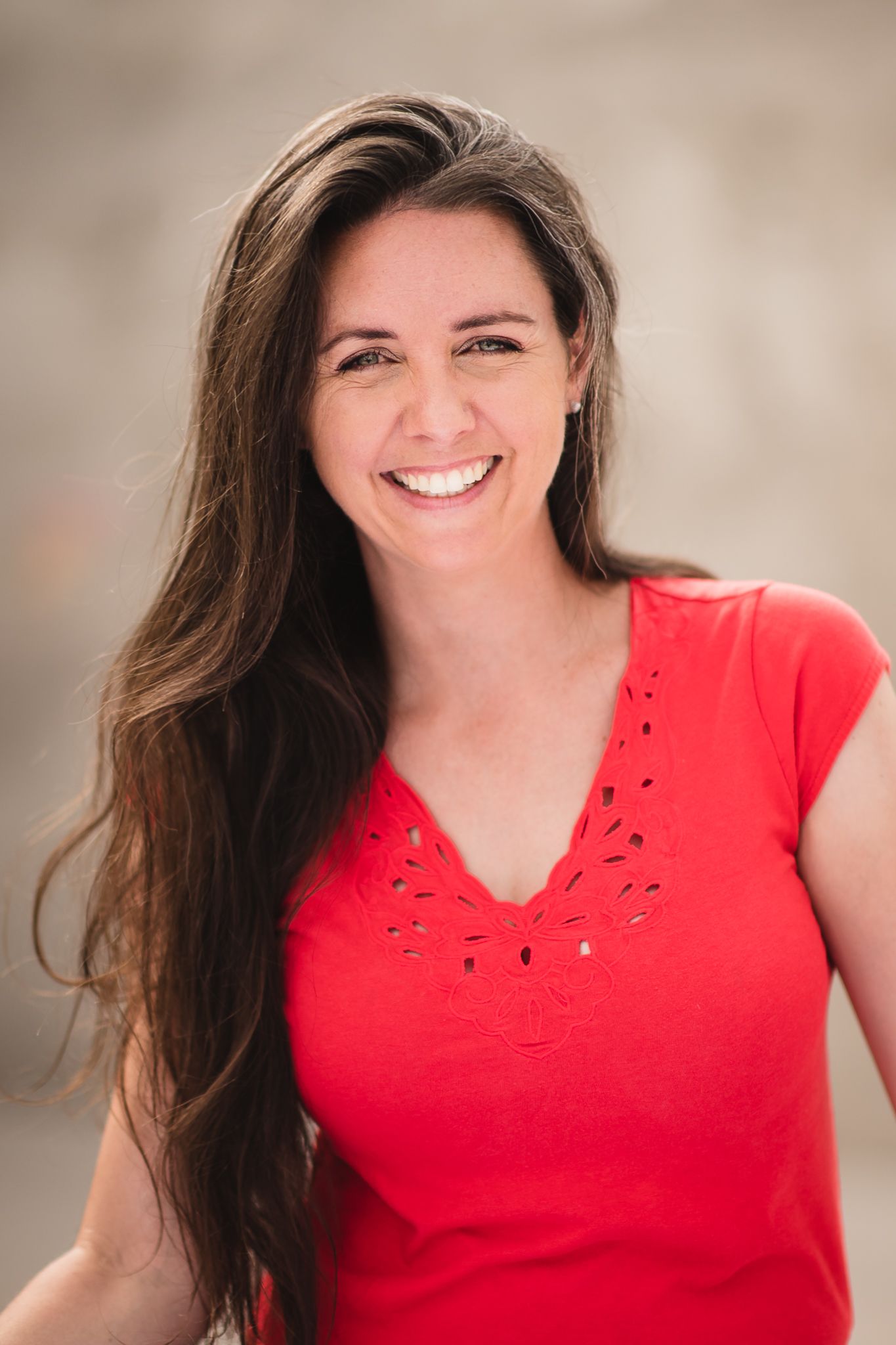
I’m a New Mexico wedding photographer focused on capturing real, connection-driven moments as they naturally unfold.
I work with couples who want to feel present on their wedding day, not pulled away from it, and who care more about how it felt than how it looked.
If that sounds like you, I’d love to connect.
When most couples think about their wedding day timeline, they think about logistics. What time things start. Where they need to be. How everything fits together. But what a timeline actually shapes is how your day feels. Whether it feels rushed or relaxed. Whether you’re moving from moment to moment, or actually able to be present in it. A good timeline isn’t about packing everything in, it’s about creating space so you can experience your day as it’s happening.
Why Your Timeline Matters
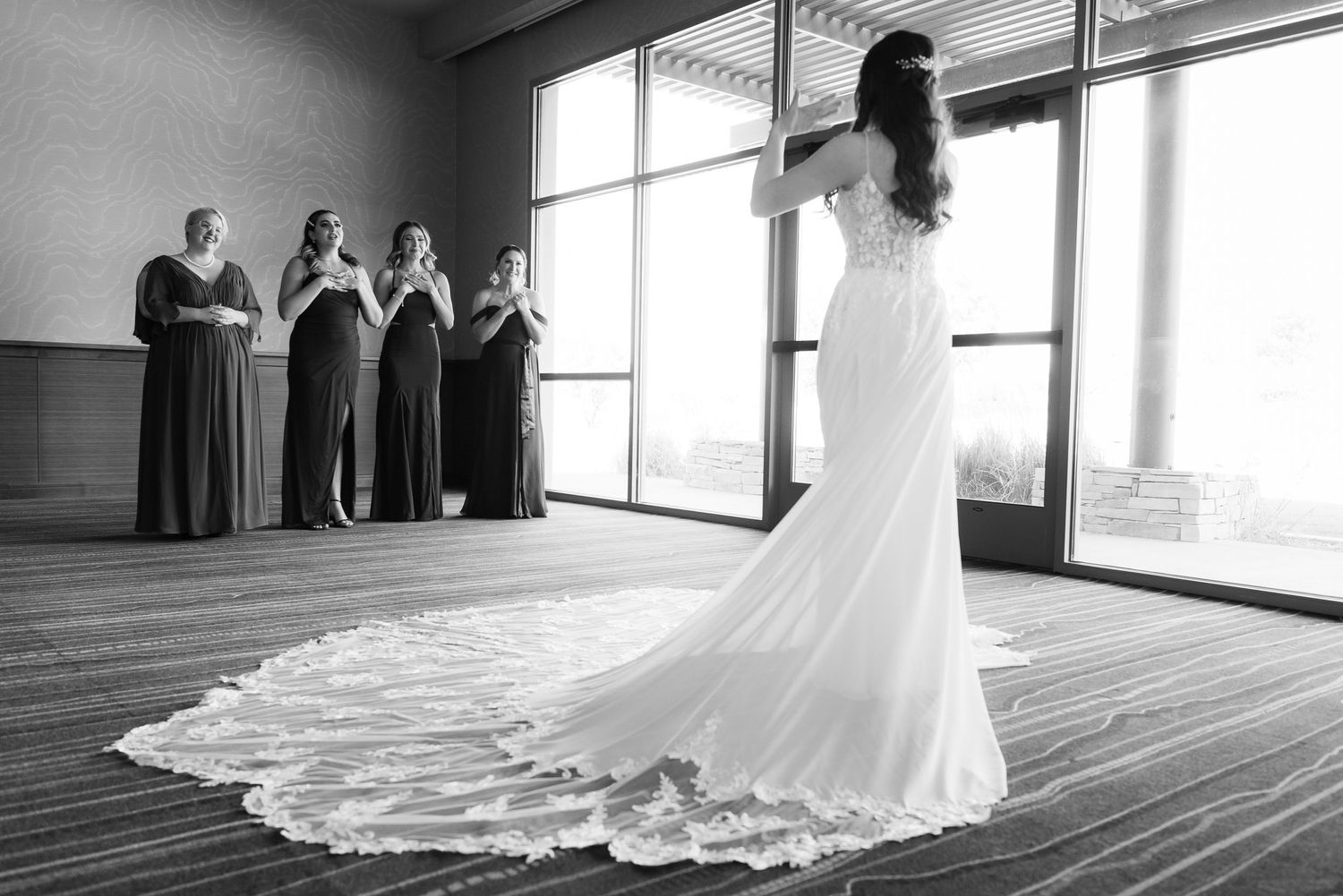
Your timeline isn’t just about keeping things organized, it sets the pace for your entire day. It affects how the morning feels while you’re getting ready. How much time you have to be with your people. Whether you feel like you’re rushing from one thing to the next, or actually able to take it all in. When a timeline is built well, things flow naturally. You’re not watching the clock, you’re just moving through the day as it unfolds.
Start by Seeing the Full Day
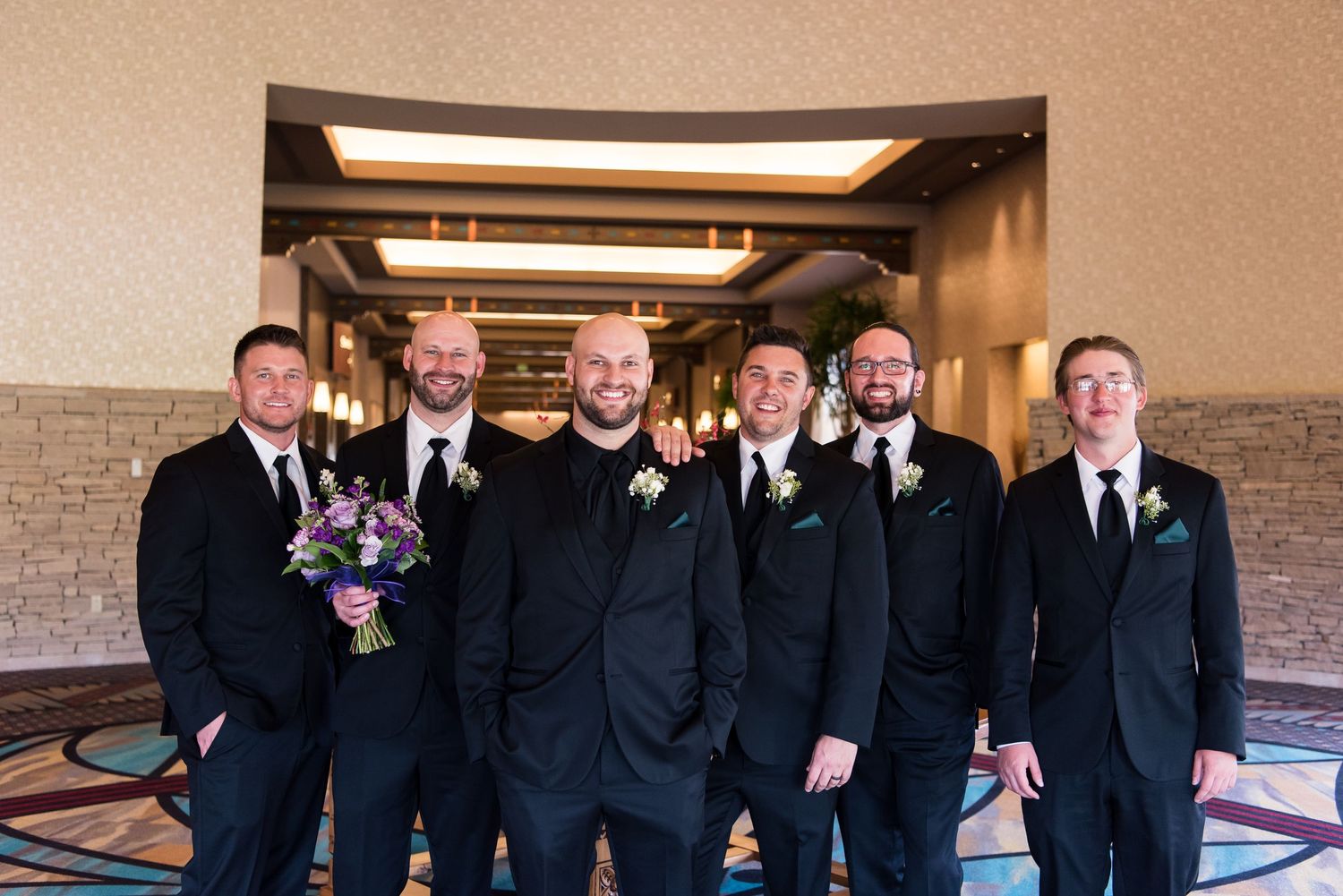
Before getting into specific timing, it helps to step back and look at your day as a whole. Think through the major parts of the day, from getting ready in the morning to the last moments of the night. Not as a strict schedule yet, but as a general flow of how everything unfolds. Once you can see the full picture, it becomes much easier to build a timeline that feels natural instead of forced.
Example:
8:00 AM: Bride’s hair and makeup
10:00 AM: Bridesmaids’ hair and makeup
12:00 PM: Bride gets dressed
1:00 PM: First look and couple’s portraits
2:00 PM: Wedding party photos
3:00 PM: Guests start arriving
4:00 PM: Ceremony begins
5:00 PM: Cocktail hour
6:00 PM: Dinner and toasts
8:00 PM: Dancing starts
10:00 PM: Cake cutting
11:00 PM: Last dance and send-off
Build in More Time Than You Think You Need
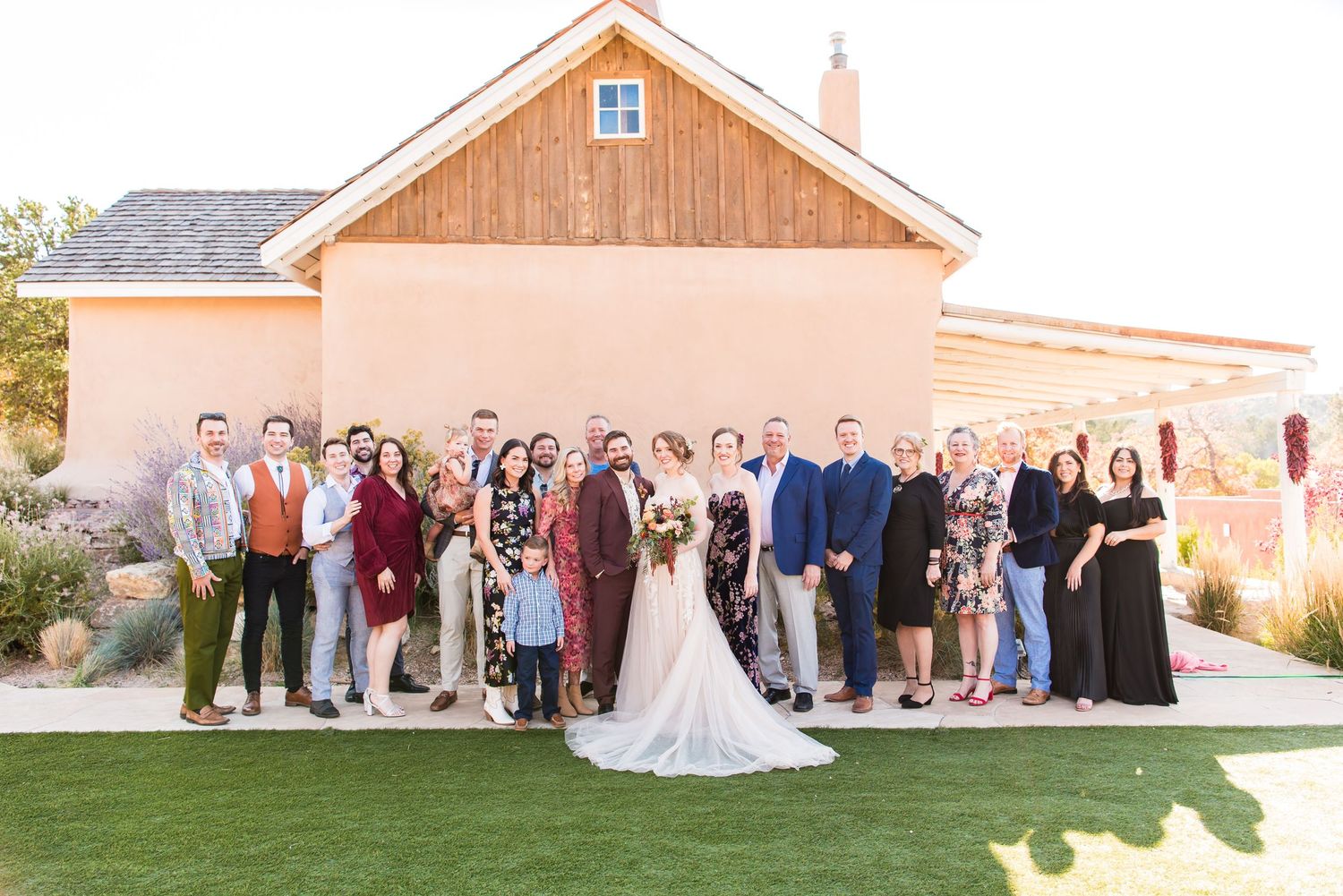
One of the easiest ways to make a wedding day feel rushed is not giving yourself enough time between moments. Things naturally take a little longer than expected, whether it’s getting ready, traveling between locations, or gathering everyone for photos. When there’s no space in the timeline, that pressure tends to carry into the rest of the day. Building in extra time creates breathing room. It allows things to unfold without feeling like you’re constantly trying to catch up. Working with your photographer and planner can help you get a realistic sense of how much time each part of the day actually needs, especially for things like family photos and portraits.
Keep Things Connected and Give Yourself Room to Breathe
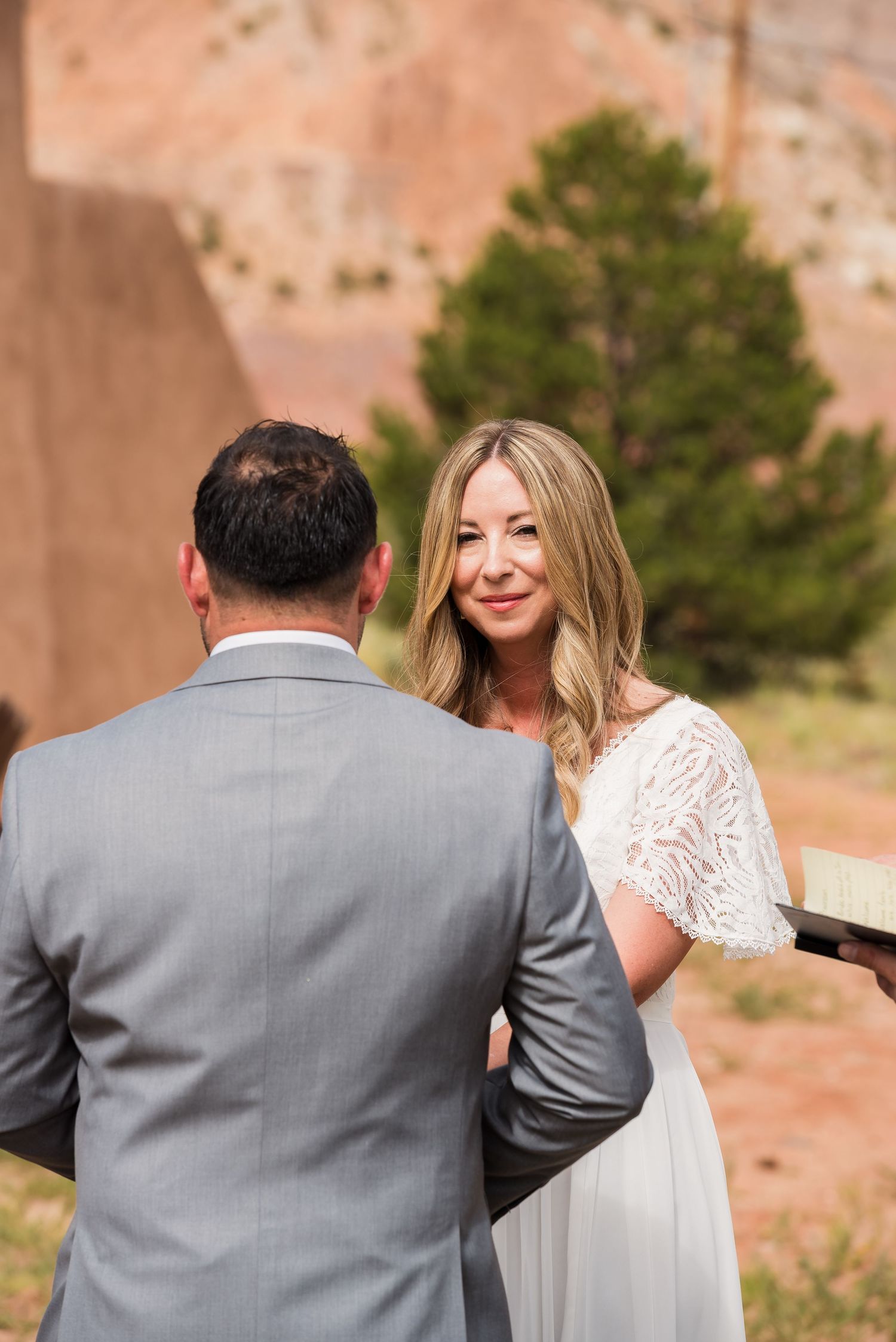
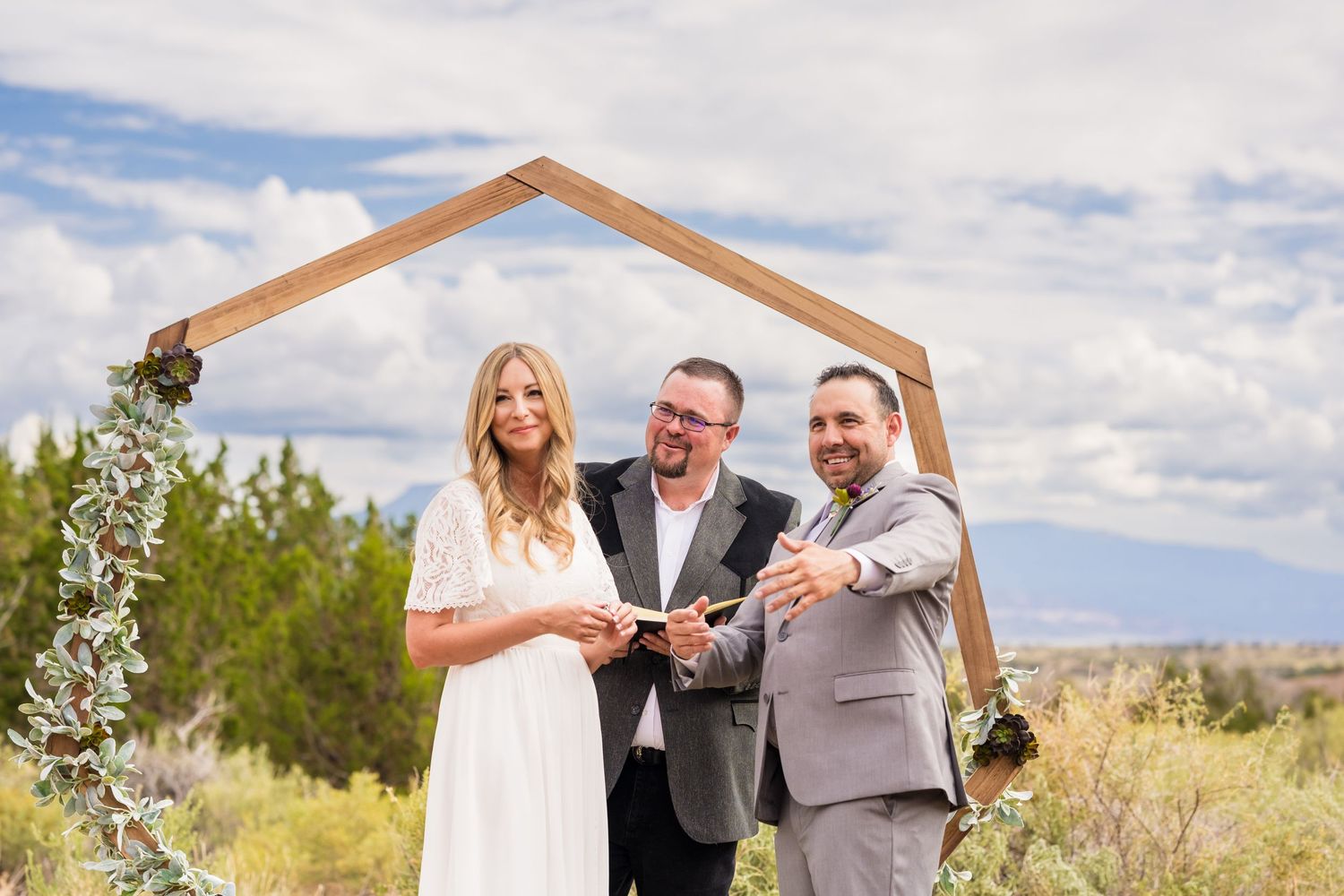
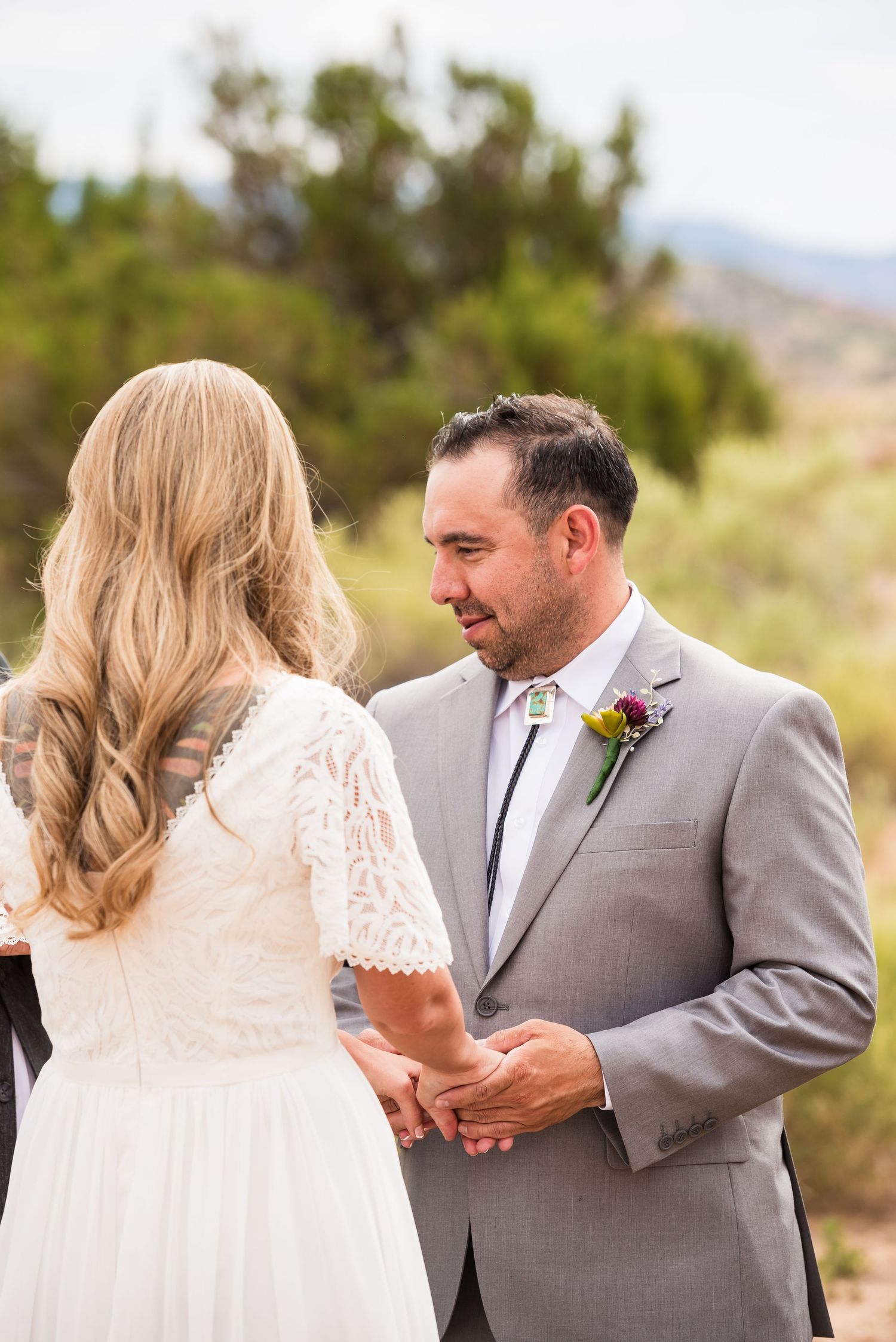
A timeline works best when everyone involved understands how the day is unfolding. Sharing it with your vendors ahead of time allows things to move more smoothly. Your photographer, planner, and other vendors can anticipate what’s coming next instead of reacting in the moment. At the same time, it’s important to build in space throughout the day. Things don’t always happen exactly on time, and when there’s no room for that, even small delays can start to feel stressful. Giving yourself a little extra space between moments helps everything stay on track without feeling rushed. It also helps to think about how you want the day to flow, not just how it’s structured. If you’re planning a first look, placing it earlier in the day creates space for a quieter moment together before everything begins. Small decisions like this shape how the entire day feels as it unfolds.
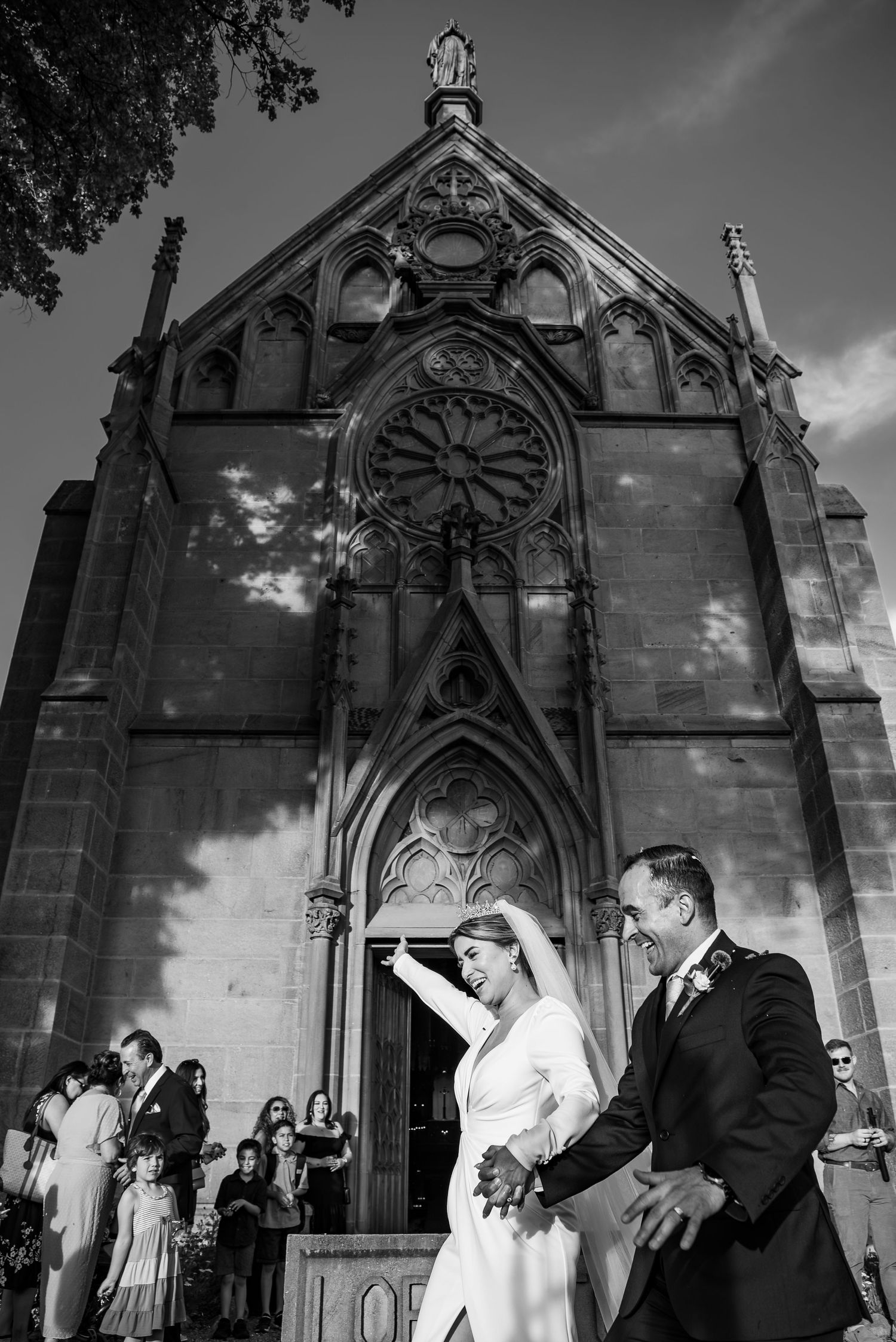
A Timeline That Lets You Be Present
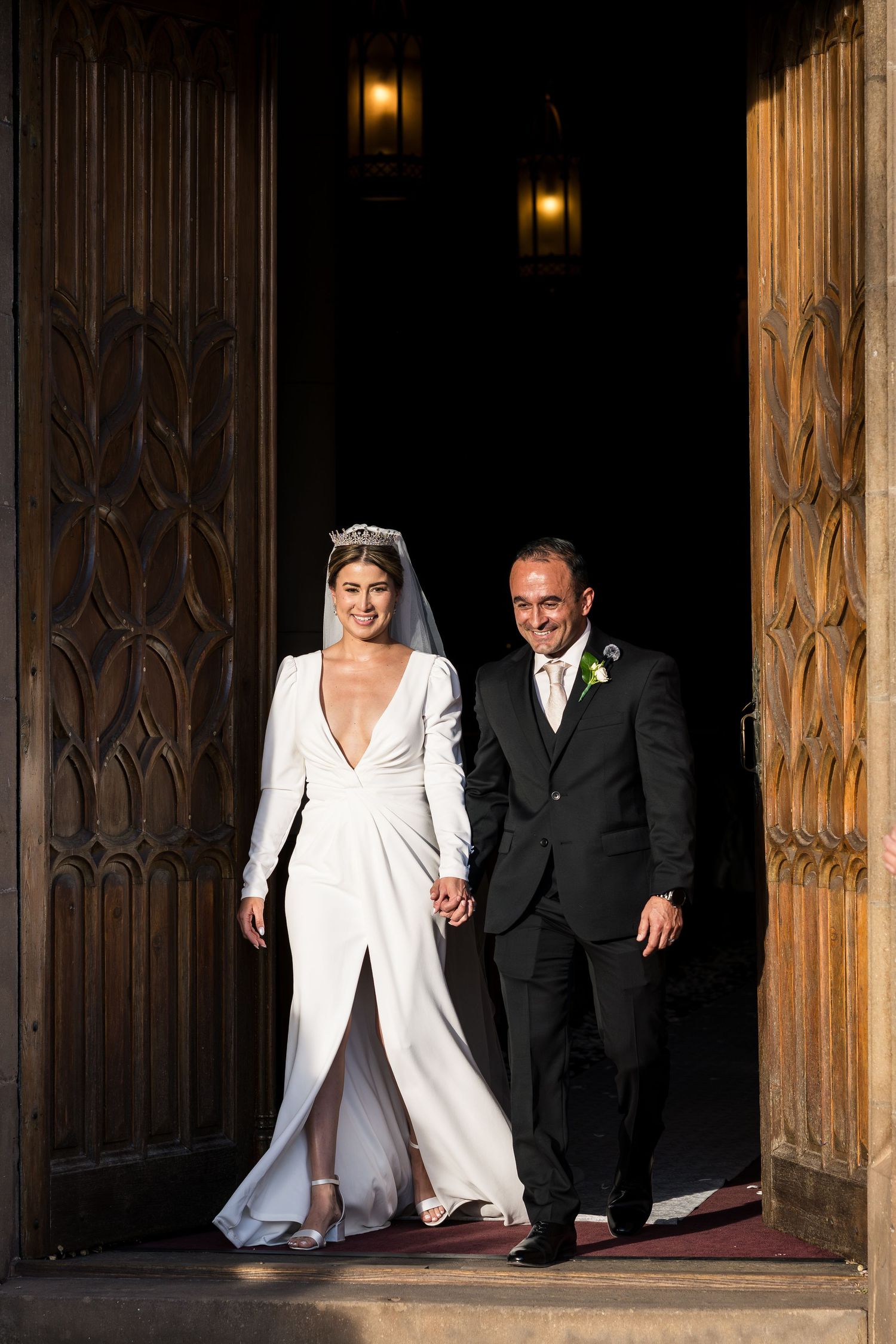
A good timeline isn’t about getting everything exactly right. It’s about creating a day that feels easy to move through. Where things flow naturally, where there’s space to breathe, and where you’re not constantly thinking about what comes next. When there’s clarity and a little room for flexibility, everything else tends to fall into place. And that’s what allows you to focus on what actually matters, being there, with your people, fully in the moment.
If this feels like the kind of experience you’re looking for, I’d love to connect.